Twin Grief: The Loss of “My Other Half”
5 Minute Read

When your other half passes away
When someone tells me that their brother or sister died, I think about how sad they must feel.
When they then tell me that their sibling was their twin, a double sadness hits me. To them, it was the death of their “other half.”
Nobody can fully understand what a twin experiences when their sibling dies. And even other twins can’t understand, since no two people grieve alike, and no two relationships are the same.
Lately, in my grief counseling practice, I have been supporting sets of twins.
Regarding their grief, some twins report that:
For some, when their twin died, their own life stopped too (stopped eating, socializing etc.).
For some, there is a feeling of guilt for being the surviving twin.
The uniqueness of the twinship bond makes grieving more complicated.
The grief can last longer and more intensely than the loss of anyone else, especially for identical twins.
Identical twins sometimes experience a more powerful and persistent grief.
Often, twins are each other’s best friend and confidante, resulting in less of a social circle of support and deep connectedness in the aftermath of a twin’s death.
Family dynamics always change in some way or another after a family member dies.
Their identity as a “twin” is lessened. Gone are the situations in which they are mixed up with one other, or when they are consistently being asked about their twin.
For identical twins, people might still mix them up, even after the death of one, saying, “I feel like I’m looking at your twin when I look at you.”
Because the “twin” category is so different from others, a very helpful organization was created.

Twinless Twins (twinlesstwins.org) was founded 1986 by Dr Raymond Brandt, a therapist who lost his identical twin decades earlier. There are now ten chapters around the country, and a few worldwide. One member of the organization claims “It’s like we have an unbreakable bond of immediate understanding and empathy when we see each other. The hardest part of the grief is relearning who we are in the world without the existence of our twin.”
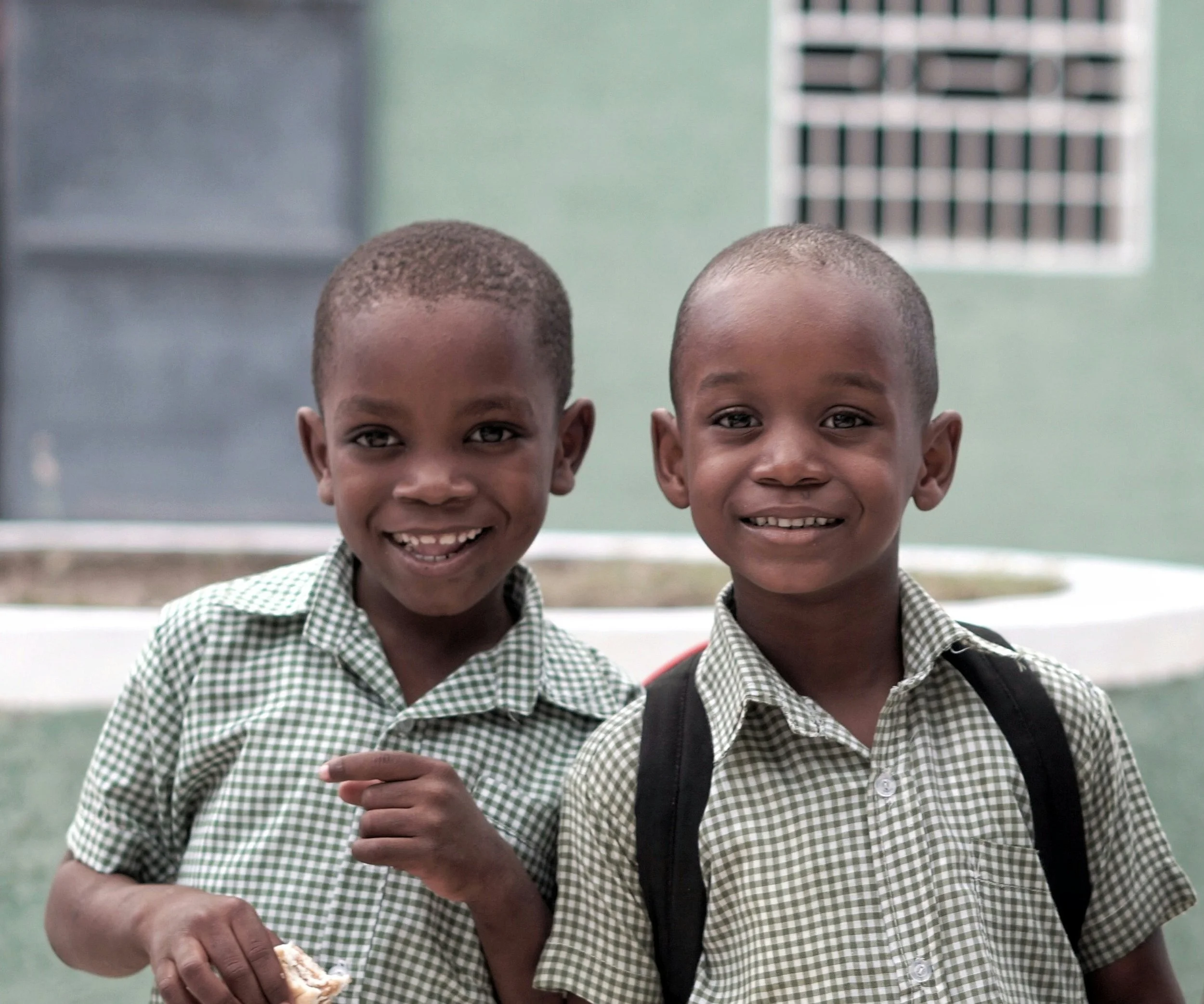
Photo by TopSphere Media on Unsplash
The closeness of twin relationships is said to develop early – even in the womb. The closeness of twins’ relationship develops early in life and helps them avoid loneliness. And as they mature, twins are likely to spend a great deal of time together sharing experiences and key life stages. Some may even have a private language or way of communication with each other.
They often experience complicated feelings since their identity is so intimately bound up with that of their twin sibling. The death can result in profound feelings of loneliness. Their “blended identity” can create complex feelings, as an identical twin may always be reminded of their twin who has died when seeing their own reflection in the mirror. This can be comforting or upsetting. The remaining twin is now identified as a “singleton,” as opposed to being part of a duo. See the link below from an article, The Uniqueness of Twin Loss and Grief, from the Bereavement Journal:
The Impact of Losing a Twin
Because the death of a twin sibling can have such a profound impact on the surviving twin, many twins, of all ages, seek professional support as they grieve.
With the proper support, grieving twins can be helped to manage the impact of their grief.
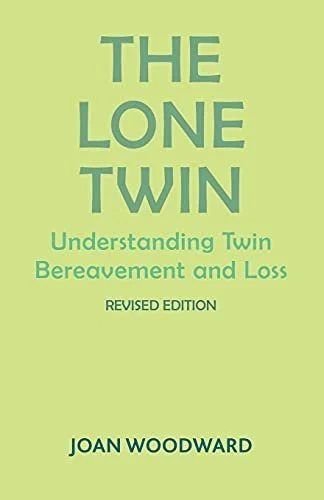
Here are a few books I’d recommend: