Jewish Holiday of Yom Kippur Focuses On Life And Death
2 Minute Read
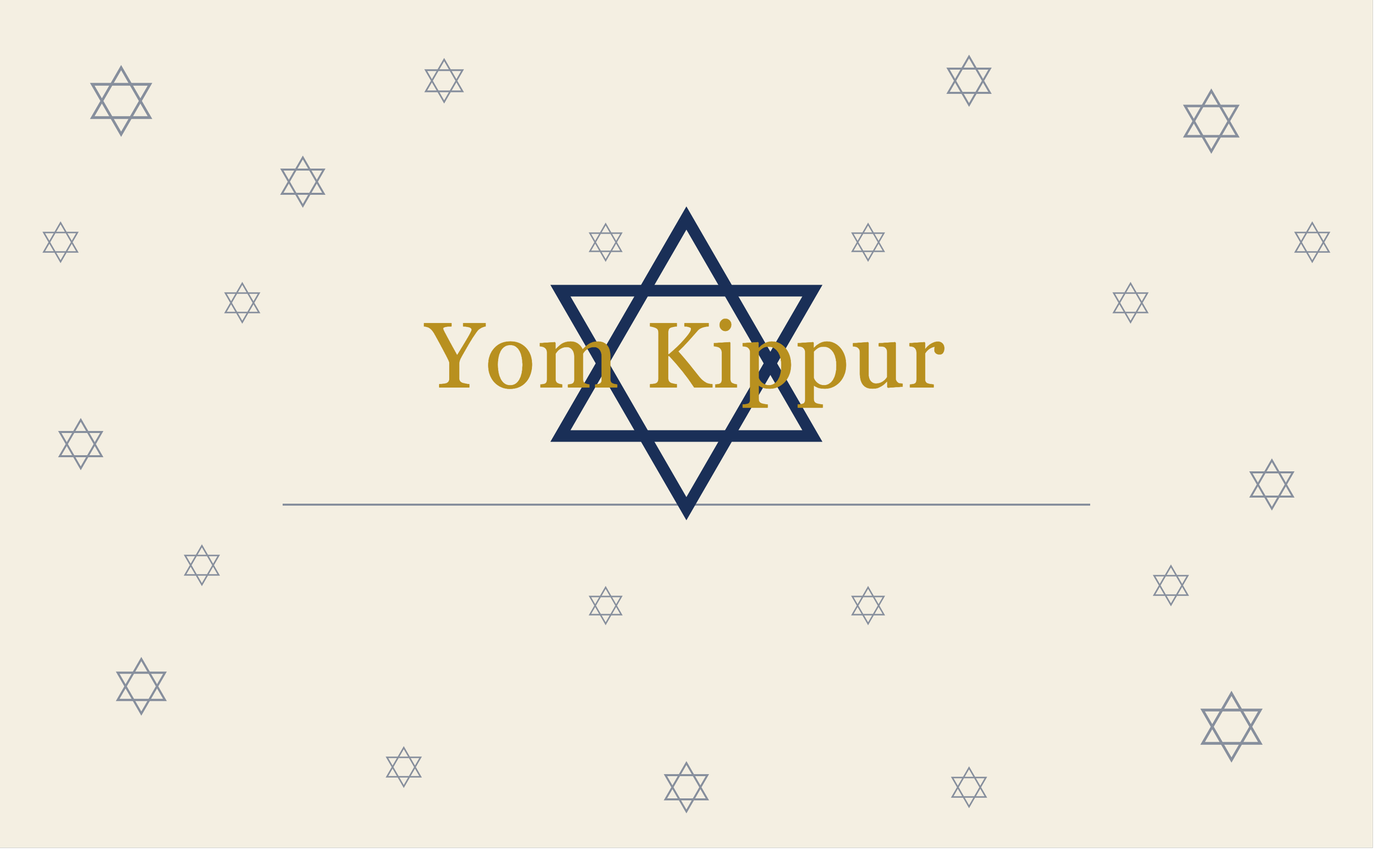
Yom Kippur - The High Holy Days
The holiday, Yom Kippur, which is celebrated on September 20 and 21 this year, is considered one of the High Holy Days in the Jewish calendar. The High Holidays – Rosh Hashanah and Yom Kippur – are also called the Days of Awe. Rosh Hashana, which has recently passed, is the Jewish New Year; Yom Kippur is the Day of Atonement.
With these holidays come much meaning, contemplation, solemnity, and the ever-present theme of life and death. In fact, one of the most renowned and moving poems in the Jewish liturgy, called the Unetanah Tokef, which is read on Rosh Hashanah and on Yom Kippur, states,
On Rosh Hashanah it is inscribed, And on Yom Kippur it is sealed. How many shall pass away and how many shall be born, Who shall live and who shall die.
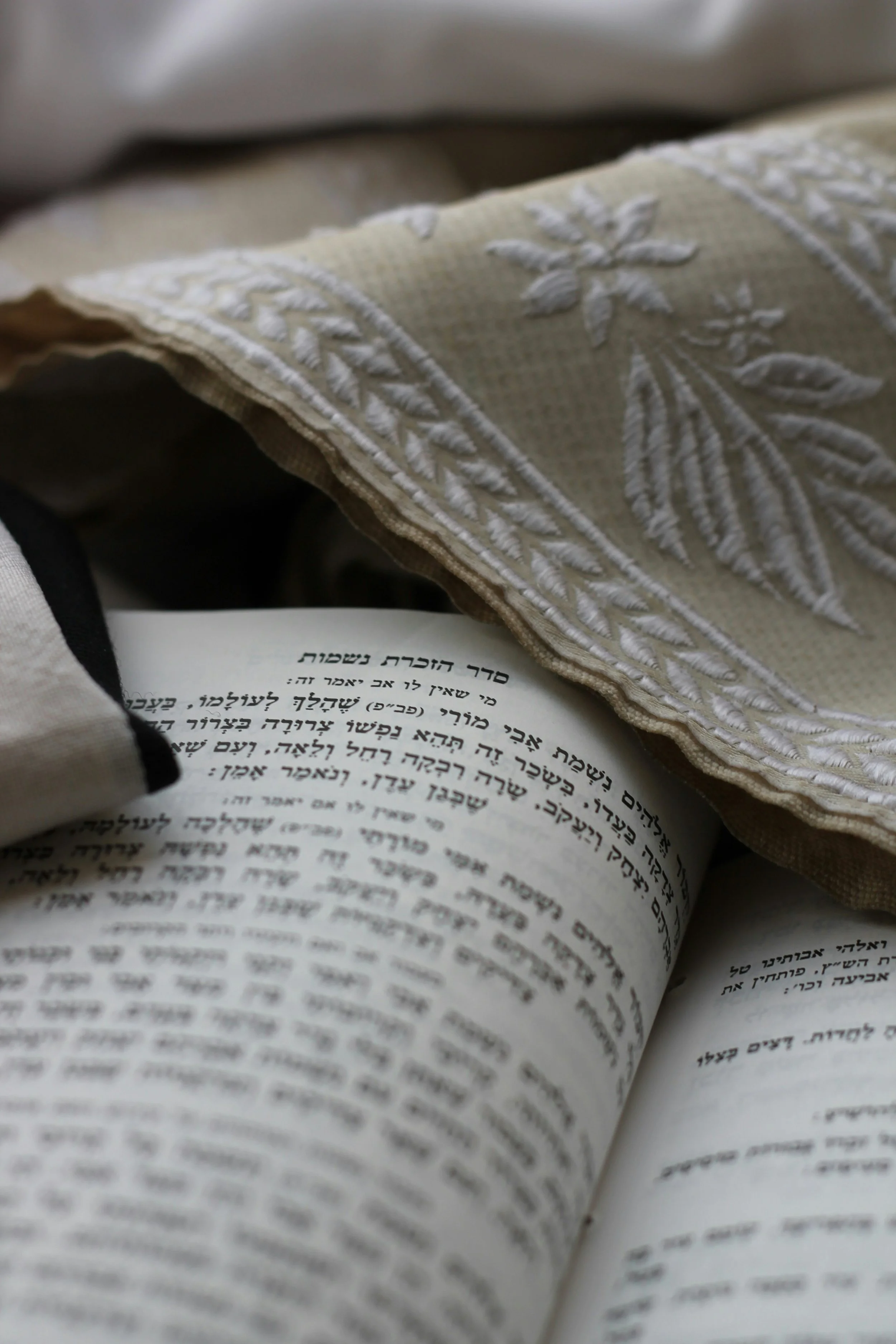
Photo by menachem weinreb on Unsplash
Yizkor Service
Another Yom Kippur tradition in synagogues is a special worship service, the Yizkor service, devoted to prayer and remembrance of deceased loved ones. The service is another opportunity to remember the deceased and to honor one’s own grief. It is also a time for attuning to the soul and spirit of the person who has died, and the legacy he or she has left behind.
A special candle, a Yizkor candle, is lit at home on the eve before the holiday starts. Yizkor prayers are recited in synagogue the next day. At this holiday, we remember the lives of deceased parents, children, siblings, relatives, and others.
As a grief counselor, and also one who mourns with each Yom Kippur, I want to validate and normalize your feelings. This holiday, with its somber tone and solemnity, can be overwhelming from the perspective of grief. The prayer book and the words we read and recite truly connect us intimately with the topic of death.
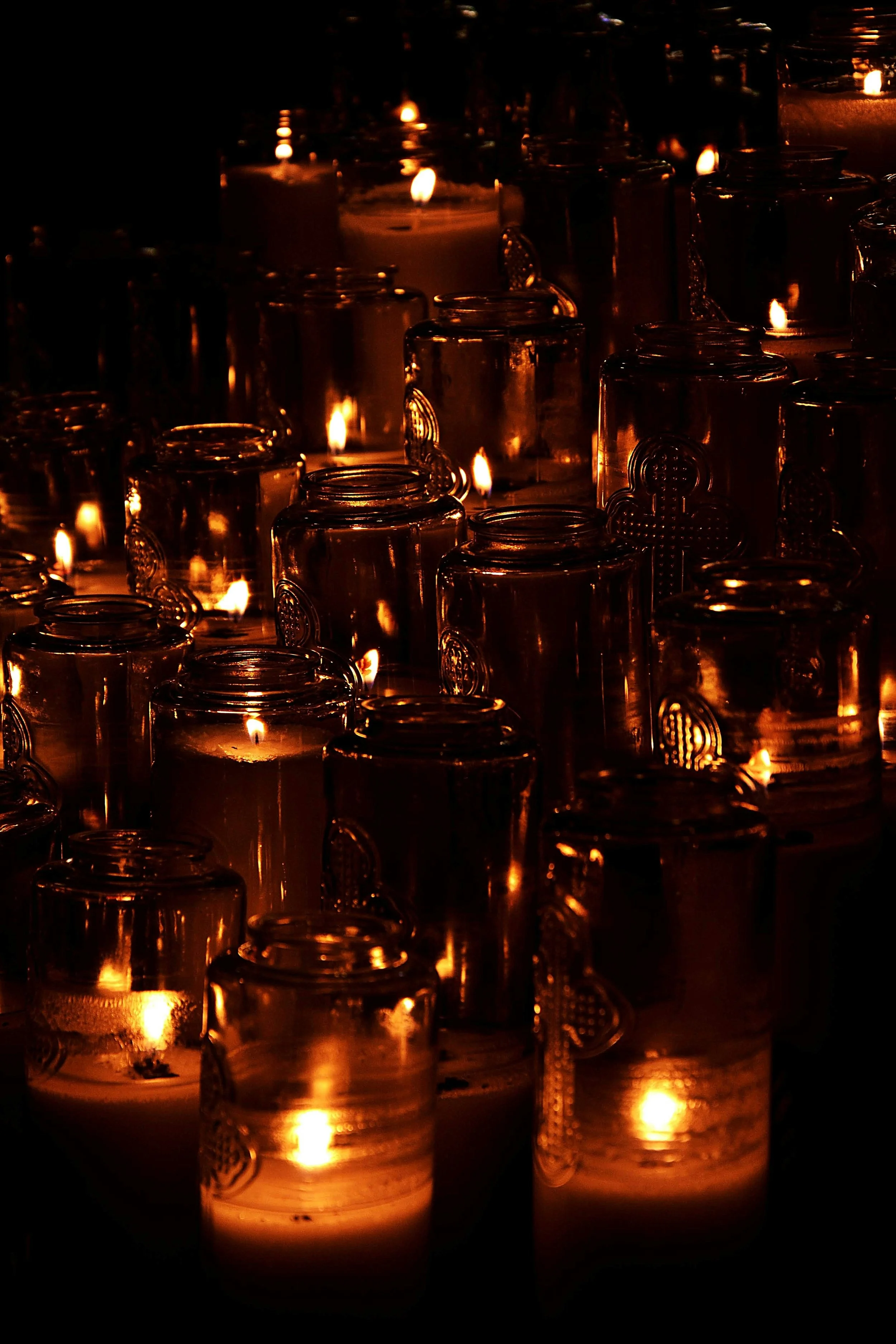
Photo by Sneha Cecil on Unsplash
In my grief counseling practice, at this time of year, I sometimes invite my Jewish clients to talk about their deceased loved ones and share memories. Whether the death was recent or in years’ past, this opportunity can be very healing. That said, it can also be very upsetting and uncomfortable for many.
Here is a must-read article, which will likely resonate with many. It is from the Times of Israel. Called, “No, I’m not OK: Wrestling with a Stranger Named Death on Yom Kippur, it is beautifully and honestly written by a young woman who was grieving during the year, about her feelings at Yom Kippur. In my opinion, this says it all.
If you observe this holiday, I hope that it is a peaceful one for you.